
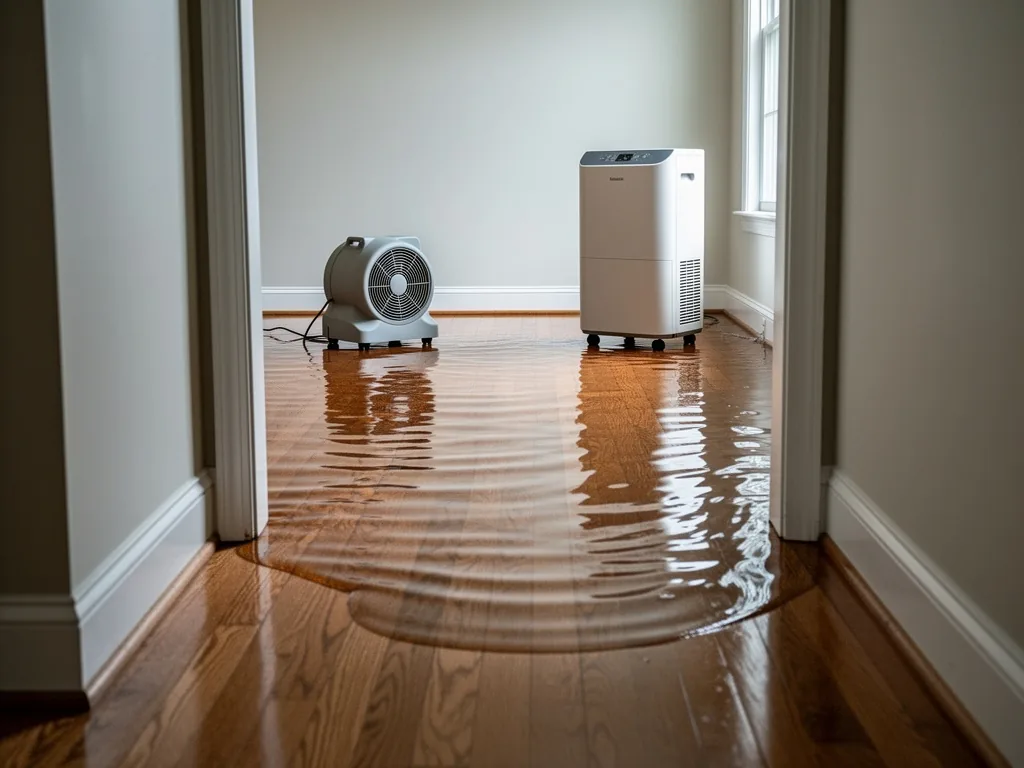
Water Damage Restoration Cary NC is a water damage restoration business serving homes in Cary, North Carolina. Water damage restoration Cary homeowners call about most often starts with a burst pipe, a failed hose, a leaking roof or storm water, and the line, (919) 582-5077, is answered day and night.
Water damage restoration Cary homes need: what the work covers
Restoration starts with the water. The crew finds the source, removes standing water, dries the walls and floors with air movers and dehumidifiers, and measures moisture until the readings are normal. Materials that stayed wet too long are cut out and replaced. The first on-site look is free, and what the crew finds is explained before any work begins.
What the crew handles
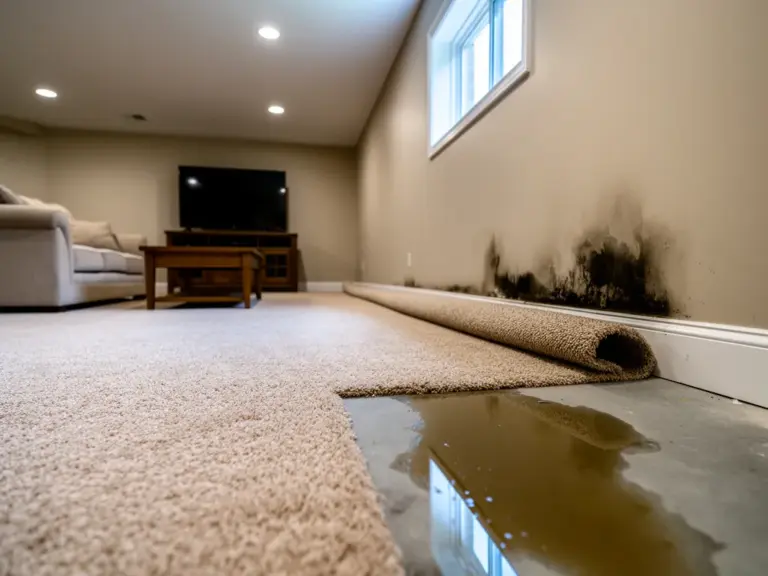
Water Damage Restoration
The water is stopped and removed, the structure is dried and checked, and repairs are planned.
Learn more →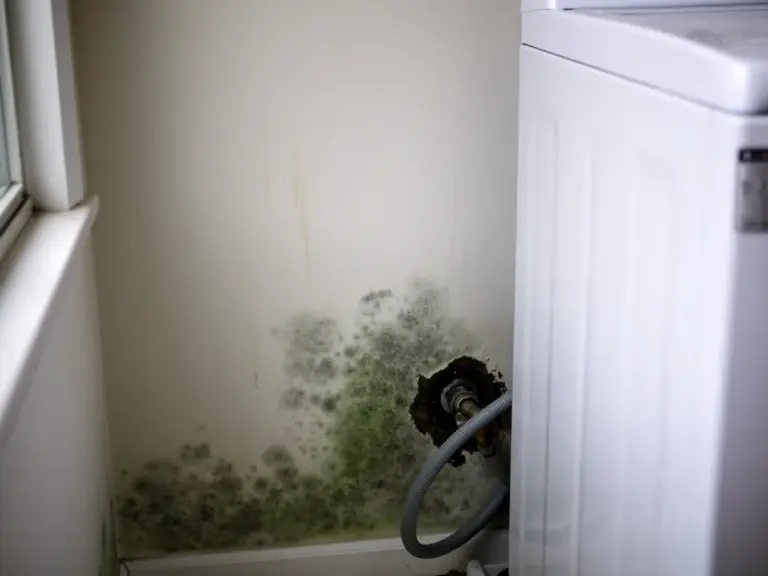
Mold Remediation
The growth is found, contained and removed, and the damp behind it is dealt with.
Learn more →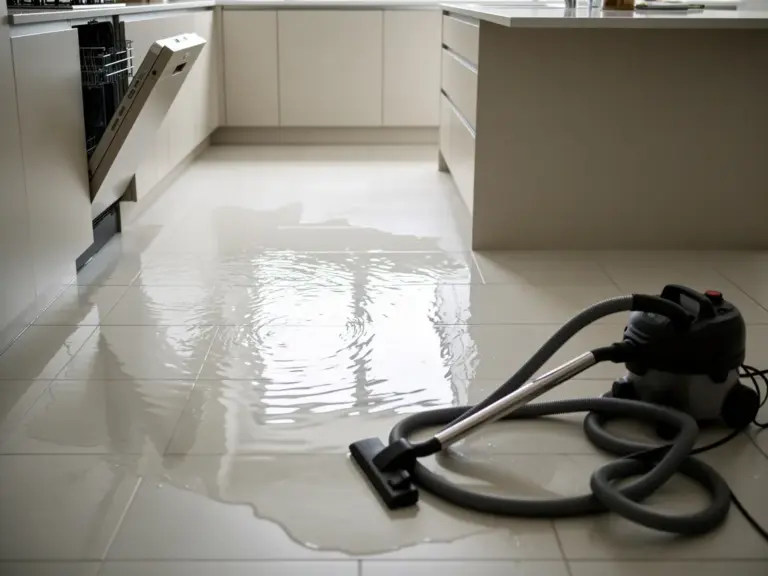
Emergency Water Removal
A burst pipe, a failed hose or storm water pumped out fast, then dried. Answered day and night.
Learn more →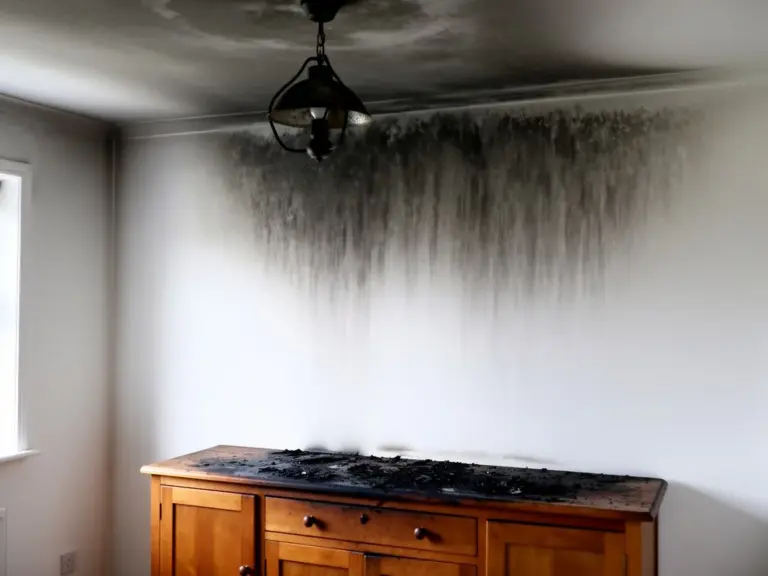
Fire Damage Restoration
Soot and smoke cleaned from walls and ceilings, and the water left by firefighting dried out.
Learn more →Why water gets into Cary homes
The Wikipedia article on Cary says Cary has a humid subtropical climate, and its climate table lists about 48.8 inches of rain in a year. Rain and humidity find weak spots in roofs, window seals and foundation walls. The same article says storms such as Hurricane Fran in 1996 caused great damage in the area, and the National Weather Service page on Hurricane Fran reports heavy damage to homes and businesses across Wake County.
What to do while you wait for help
Shut off the water at the valve or the main if you can reach it safely. Stay out of any room where water is close to outlets, cords or appliances. Move small items to a dry spot and photograph the damage before anything is lifted.
Speed matters. The EPA brief guide to mold, moisture and your home says: “It is important to dry water-damaged areas and items within 24-48 hours to prevent mold growth.” That is the reason the phone line does not close at night.
Where the water usually comes from
Most calls trace back to a short list of causes. Supply lines and fittings under sinks and behind toilets fail slowly and often leak for days before anyone sees it. Washing machine and dishwasher hoses can burst under pressure. A water heater that reaches the end of its life can empty a tank onto a closet floor or a garage slab.
Water also arrives from above and outside: a roof that lets rain past flashing, a clogged gutter that sends runoff down a wall, a window or door seal that has dried out, and a basement wall that takes on groundwater after a long wet spell. An air conditioner’s condensate line that backs up is a common cause in warm months, and it tends to show up as a stain on a ceiling below the unit.
Knowing the cause matters, because it decides what has to be fixed before drying can hold. The crew finds the source first, then the damage that followed it. A homeowner who can say roughly where the water started and when it was first noticed saves the crew time on the first visit.
Signs water has reached places you cannot see
A musty smell, paint that bubbles, a ceiling stain that grows, baseboards that feel soft and floors that cup or buckle all point to moisture inside a wall or under a floor. A moisture reading finds out how far it went, and the page on mold after a leak explains what follows when the damp has been there for a while.
How a call turns into a repair plan
The call
You say what happened, where the water is and how long it has been there. The crew tells you what to do right now and when someone can look at it.
The visit
The crew finds the source, checks how far the water traveled and says what can be dried and what has to come out. This visit is free.
The work
Water comes out, equipment goes in and the structure is dried and checked. If repairs are needed afterward, the plan for them is explained before they start.
Water in the house now? Call (919) 582-5077. The line is answered around the clock.
Insurance and the paperwork
The business helps homeowners document water damage for an insurance claim. It promises no claim outcome, because that decision belongs to your insurer. Keep photos, receipts and any written scope of work. Ask your insurer what it needs before repairs start, and keep a written list of what was damaged, with photos taken before anything is moved. A list made on the first day is easier to complete than one rebuilt from memory weeks later, and it gives the insurer something specific to read.
Who does the work
The business is locally owned and operated. It holds IICRC certification and carries liability insurance. It works in Cary from 5000 Valleystone Dr. Read more about the business, check the service area or see how to get in touch.
Your questions answered
How fast can someone come out after I call?
The phone line is answered day and night, and the first call sets the timing. Tell the crew what happened, where the water is and whether it is still coming in. No arrival time is promised on this page.
What should I do while I wait for the crew?
Shut off the water if you can do it safely, keep away from outlets and appliances in a wet room, move small items to a dry place and take photos of the damage for your insurer.
Do you charge to look at the damage?
No. The first on-site look is free. The work and the price are explained before anything starts.
Does water damage always lead to mold?
No, but the EPA brief guide says that drying water-damaged areas within 24 to 48 hours helps prevent mold growth. The longer the damp stays, the likelier it becomes.
Which part of Cary do you cover?
The business is at 5000 Valleystone Dr in Cary and works in Cary. If your address is close to the edge, call and ask before you book.
Need water damage restoration Cary can count on? Call now
If water has gotten into a Cary home, call (919) 582-5077 any hour of the day or night. Water damage restoration in Cary starts with a plain description of what happened and where, and that is all the first call needs.